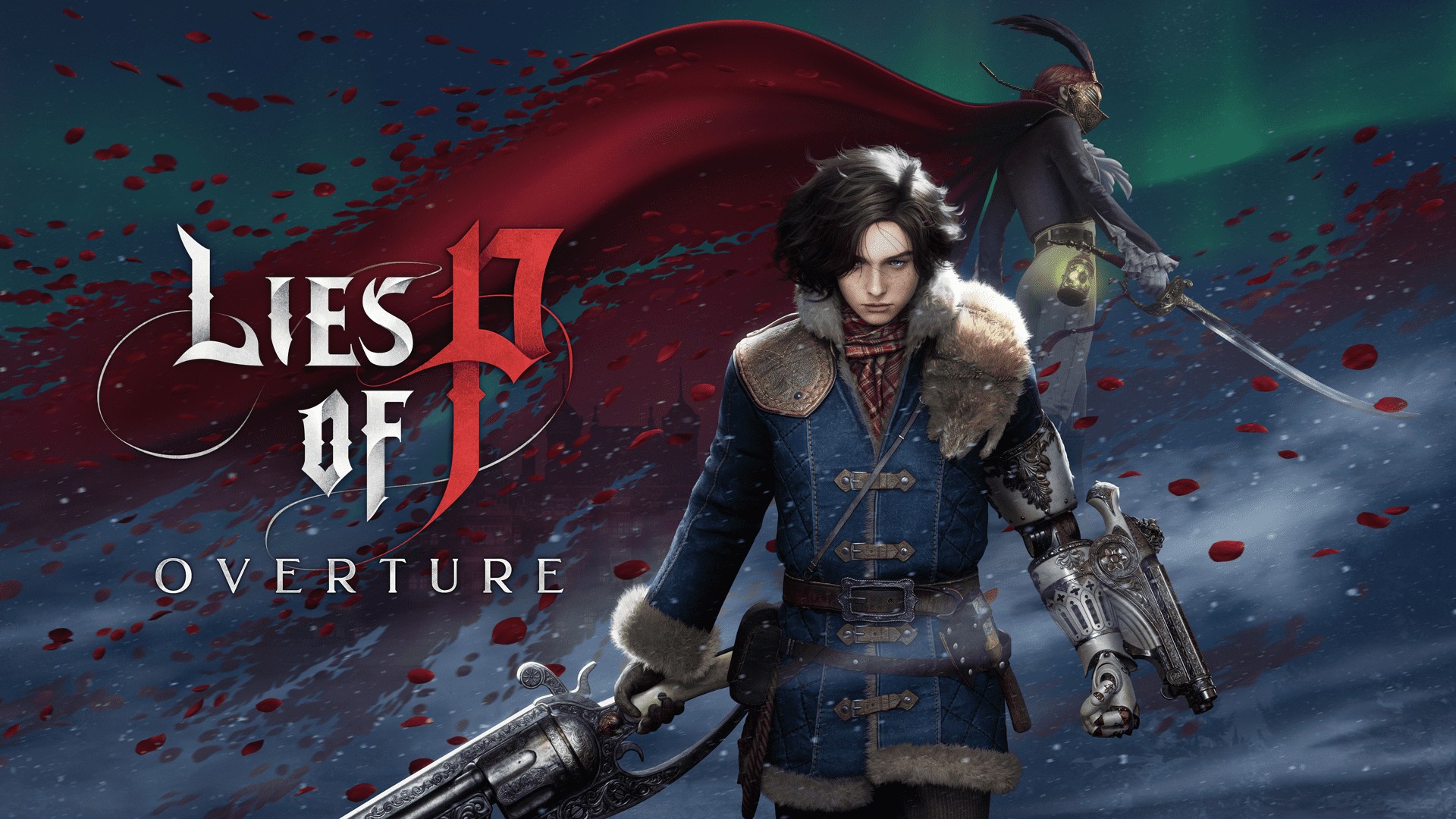




The prequel expansion to one of the best soulslikes ever created.
Summary
- Name of the game: Lies of P: Overture
- Launch date: June 6, 2025
- Developer: Round8 Studio
- Publisher: Neowiz
- Platforms: PlayStation 4, PlayStation 5, Xbox One, Xbox Series X|S, PC
- Genre: Action Soulslike (DLC)
- Context: Narrative expansion that functions as a prequel, delving into the events leading up to the fall of Krat and expanding the lore of the base game.
History and narrative
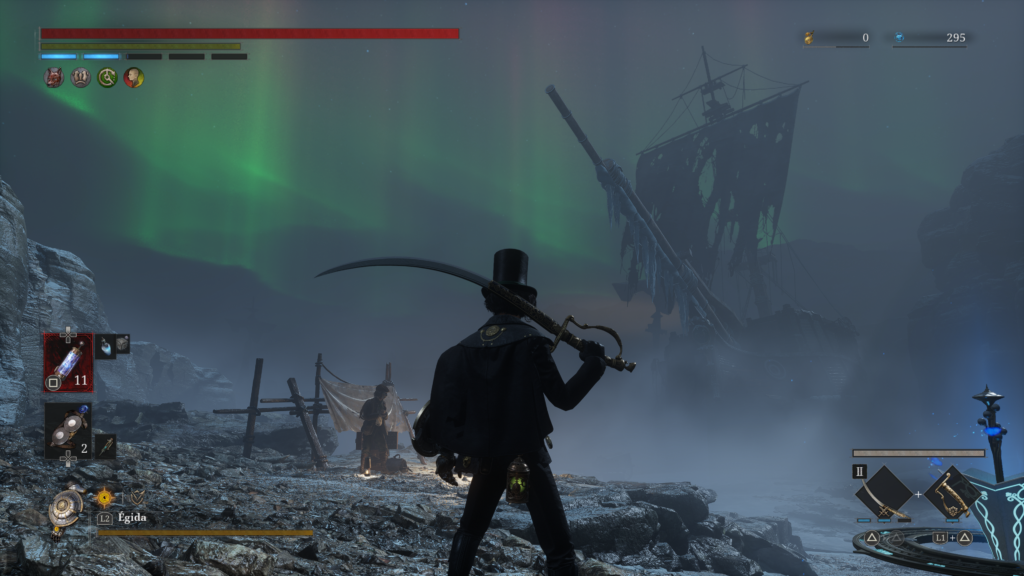
Lies of P: Overture is a narrative prequel that takes place before the collapse of the city of Krat. Here the city is not in ruins as we see in the base game, but we are shown the transition of how everything collapsed. The expansion focuses on the first signs of the rebellion, the role of some characters before the tragedy and the decisions that gradually pushed Krat to its fall.
Narratively speaking, it's much more direct. I saw more cinematics in less time and more dialogues to give more context. There isn't as much lore hidden in object descriptions as in the base game, which allows you to understand everything without having to look further. After playing Overture, I felt that certain actions of Geppetto, the behavior of some puppets and the tragedy of Krat stop feeling abstract and become much more personal and painful, as they better reflect the reason for his actions.
The story maintains its dark and melancholy tone, reinforcing the character's themes of identity, sacrifice and humanity, only this time it expands more towards other characters. It complements and enriches the world of Lies of P; Our character feels more like a time traveler who aims to help characters from the past.
Its ending does not seek to be epic, it seeks to explain to you that the destruction of Krat was inevitable. We learn that the humans tried to control something they didn't understand, as usual. Our human story leads up to this and makes it clear that the puppet rebellion was no accident. It reinforces the idea that P is not a hero created to save the world, but a desperate attempt by Geppetto to get his son back.
Overture humanizes the villains and further unmasks those we thought were good. It also explores more of Romeo's past, Carlo and why Geppetto has been the real villain all along.
Overall, it is a short and straightforward story, but one that nicely complements the theories and ideas left by the base game.
Gameplay
It does not have a clear reinvention at the gameplay level. We do have more enemies, bosses, zones and weapons, but it does not include new mechanics as such.
The enemies are more aggressive, as are the bosses. The latter are much more difficult and require you to have already mastered the base game to face them. It feels much more technical and with less margin for error. The ability to be frozen is included more often, which is quite annoying, as not only does P become much slower, but you also lose life quickly. The frozen state punishes too much in combat.
About 10 new weapons and 2 new arms are added, which are fine, although I preferred to use the build I've always used out of habit. As expected, it is not a DLC designed for new players: it punishes much more and the bosses have huge life bars. The fights are relatively long and require good resource management. Even the mini-bosses are very aggressive. Arleccino doesn't let you breathe for a second, and neither does Markiona.
For a DLC, I consider that the replayability is good. I might play it again later because of the balance between length and quality. I enjoyed the boss fights, despite how they make you feel every time you fail.
A DLC that adds just enough to justify its price.
Graphics and visual design
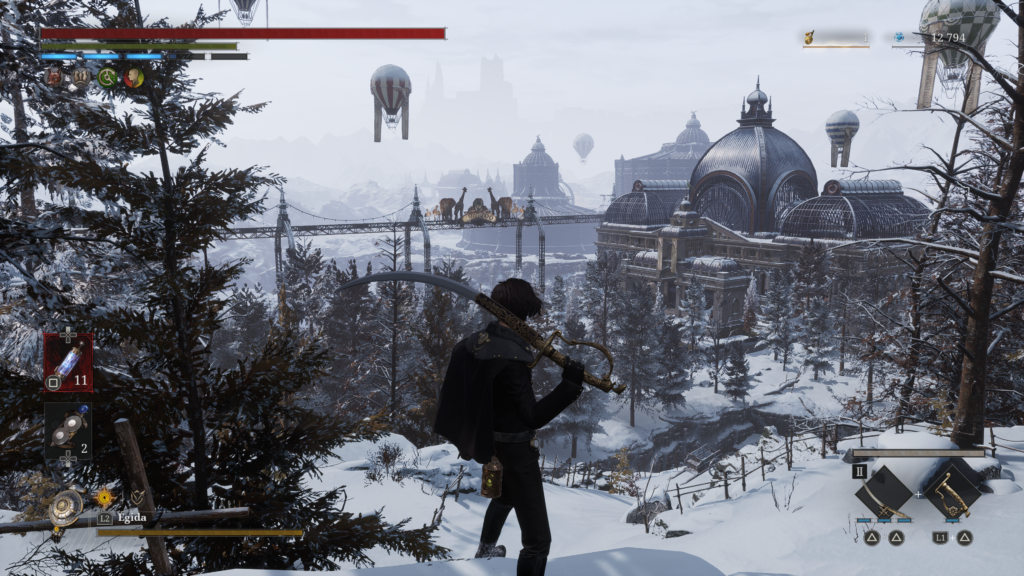
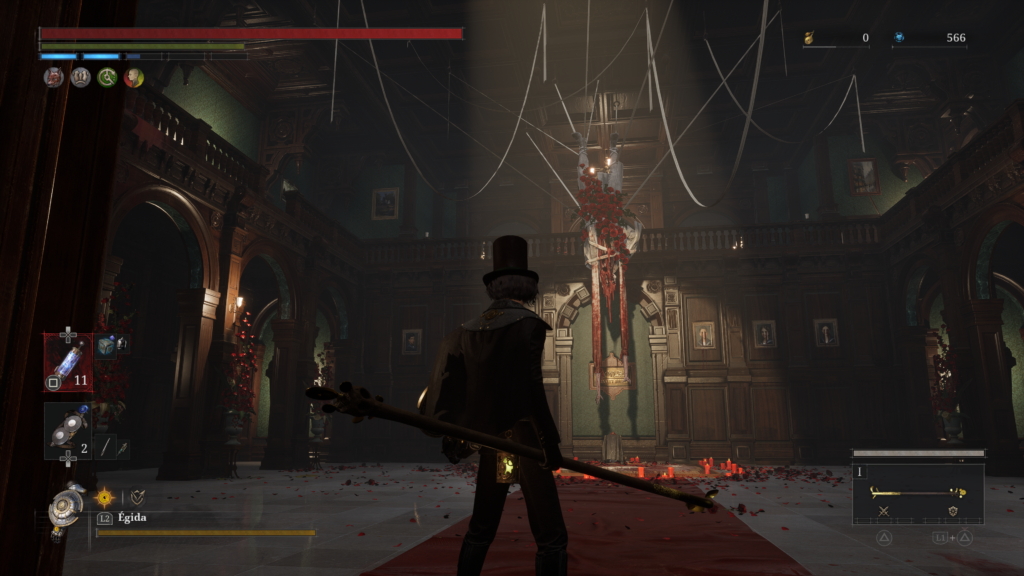
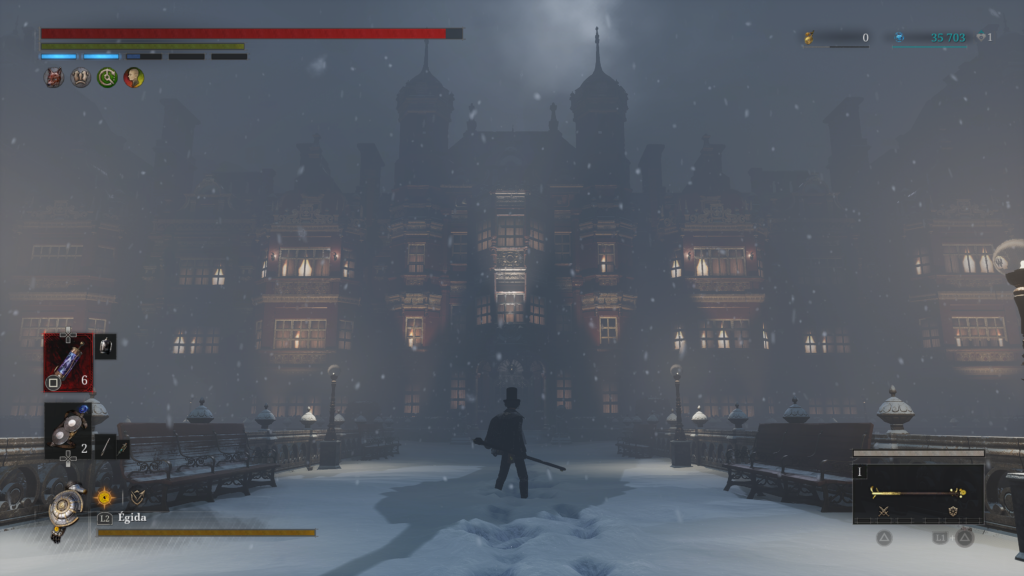
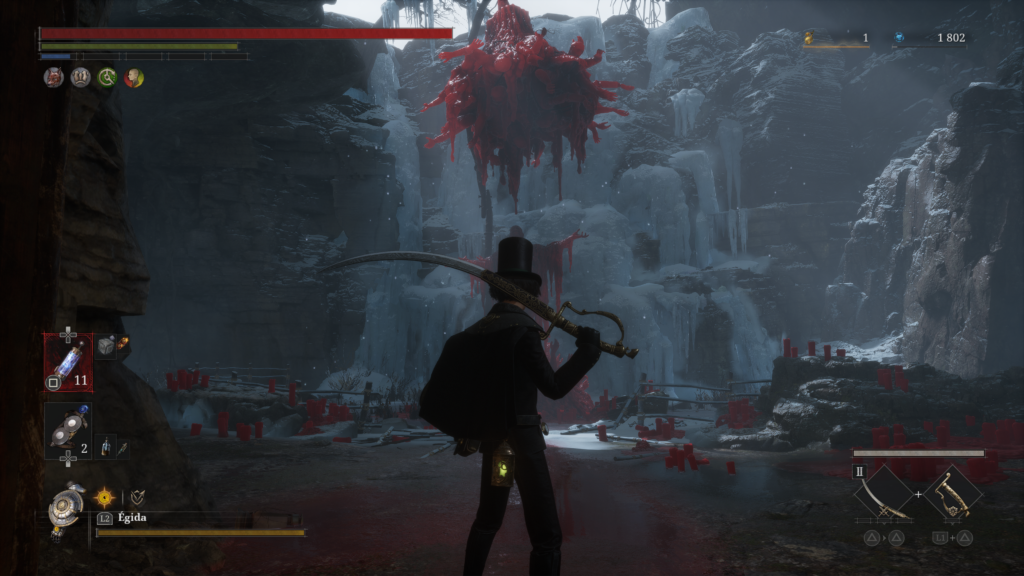
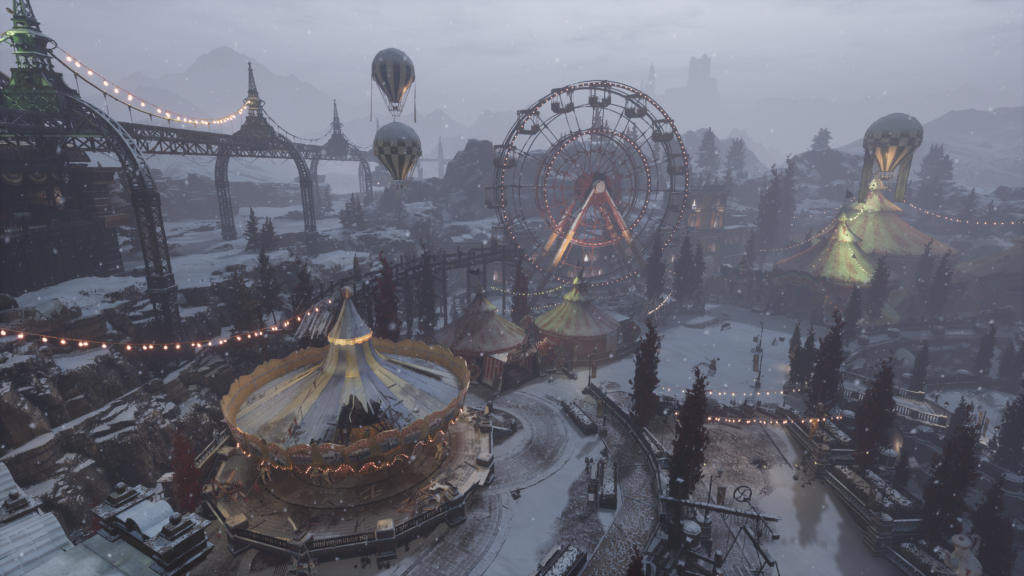
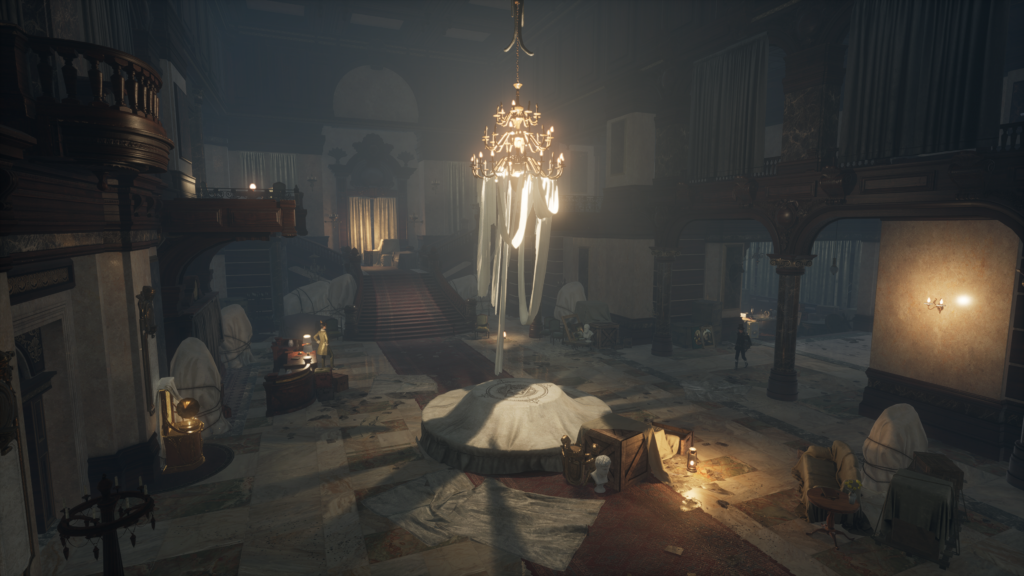
It maintains the same visual quality of the base game; I don't notice a major change and at an artistic level it remains consistent. The most interesting are the new scenarios, where the one I liked the most was the Krat Zoo, where you can see that there was more work and effort.
There are some recycled enemies, but new designs are also incorporated, mainly at the beginning of the expansion. Later on it can get a bit repetitive and recycled, but not enough to affect the experience. Even one NPC feels like a direct copy of the base game.
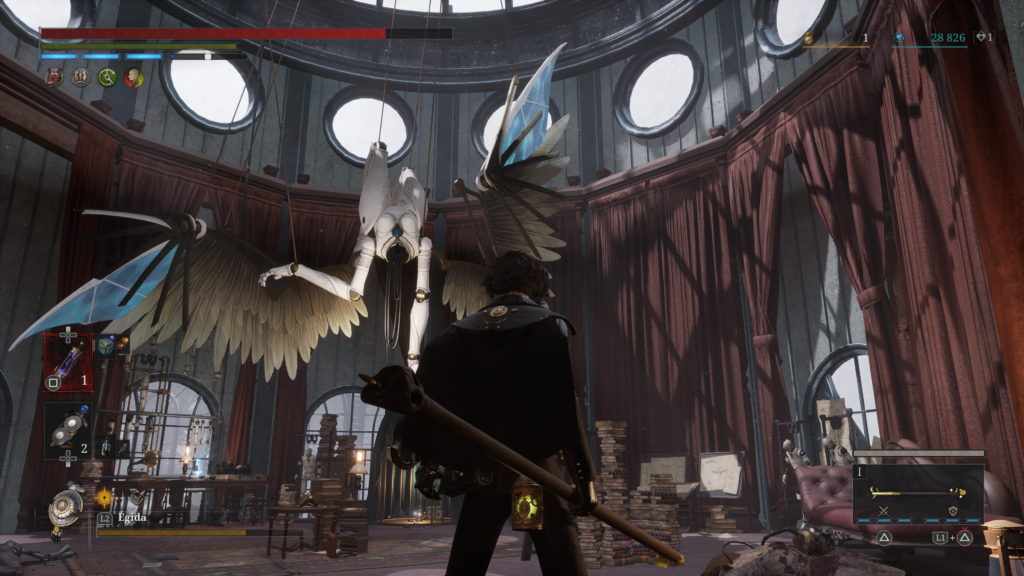
The highlights, without a doubt, are the designs of the bosses: Markiona, who drives more than one crazy; the Bifronte; the Guardian of the Ruins; and, finally, Arleccino. All four have unique designs and visually very attractive during combat, especially highlighting Markiona for his presence and Arleccino for how he imposes in his second phase.
Sound and music
The soundtrack continues with the same style and quality of the base game. New music discs are added that are well placed according to the moment of the game. There are some interesting songs, but in my opinion they do not surpass those of the base game. The sound effects remain as distinctive as in the main game and the voice acting maintains a consistent level, although without standing out too much.
Difficulty and accessibility
To begin with, I recommend this DLC only if you have already completed the base game. Although you can start it from chapter 5, I do not recommend it at that point, as it is clearly intended for players who have already mastered the main game, and do so because otherwise Arleccino will be a nightmare.
The advantage for some players is that it now has a difficulty selector.
The expansion and updates do not include major changes in accessibility with respect to the base game, so it is still an experience more oriented to veteran players within the genre.
Additional content
In my case I played it in New Game +, so, in terms of difficulty, it takes a little longer. Even so, the duration of this expansion is between 8 and 12 hours. There are side quests with some NPCs, but they are very few and really easy to complete; by the way, Rosaura is pretty creepy. It's very focused on story and narrative, so don't expect much extra content outside of that.
Technical Aspects
I played it on PS5 and, just like the base game, I had very good performance, with fairly fast load times and solid stability. I saw a couple of bugs, mainly related to fallen enemies presenting some spasms or weapons getting stuck on certain walls, but nothing that affected gameplay; it just draws attention.
Value for money
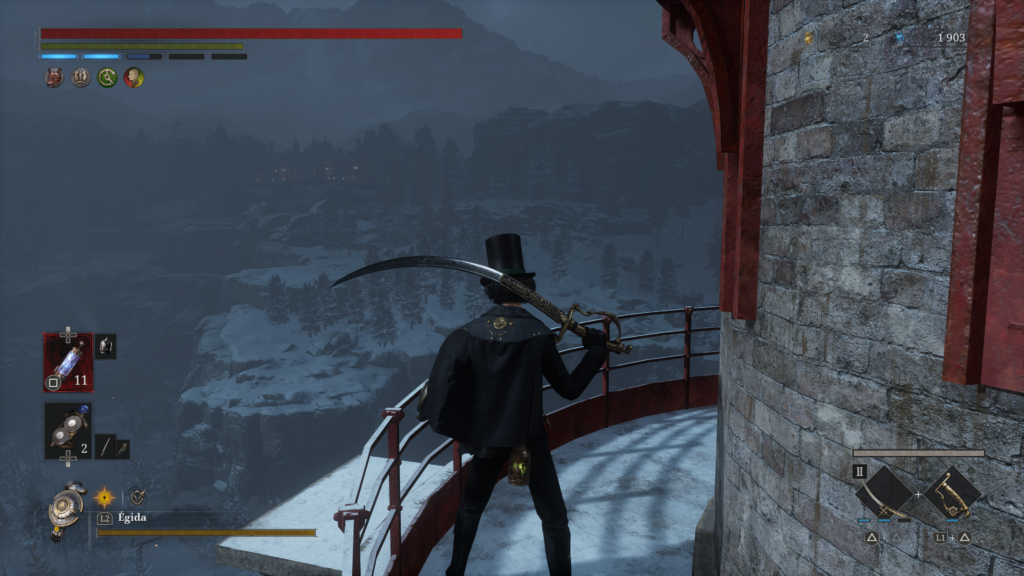
Its starting price was about 30 USD. I bought it at full price and I must say that, for a DLC, it is expensive, but worth it. It feels like a very good quality and long-lasting add-on, with more complicated bosses than in the base game, interesting areas and a major expansion of the lore.
If you see it on offer and you loved the main game, don't think too much about it: it's ideal for those who were left wanting more after finishing the base game.
Trophies / Achievements
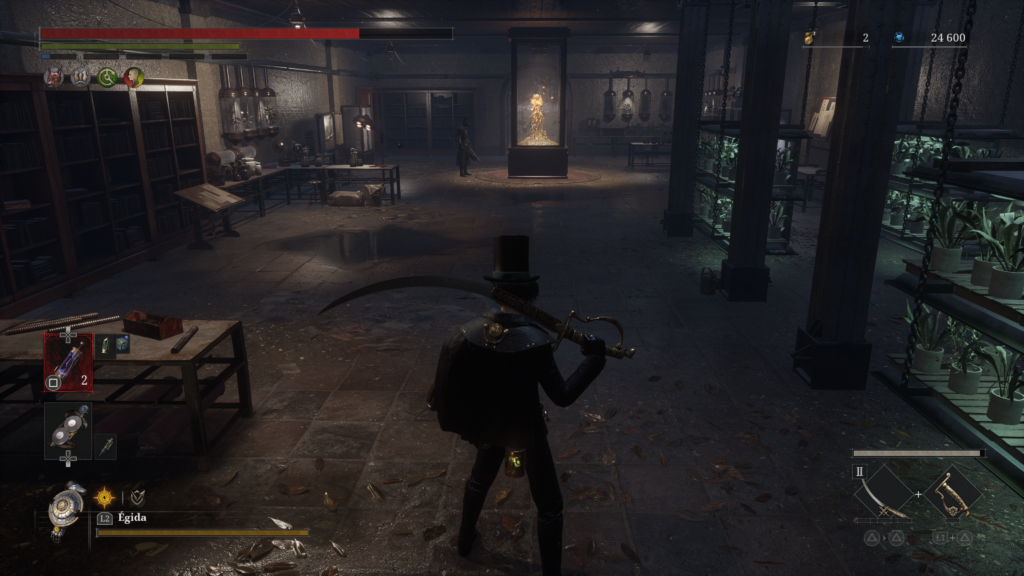
It has about 8 trophies, which are divided very similarly to the main game: beat the bosses, get the music discs, get all the weapons and unlock the gestures. Some are missable, but overall the DLC platinum is pretty easy.
Conclusion
Lies of P: Overture is an expansion clearly designed for those who have already connected with the base game and want to delve deeper into its world. It does not seek to reinvent the gameplay or attract new players, but to reinforce what already worked: a more direct narrative, demanding bosses, solid atmosphere and an expansion of the lore that helps to better understand the events and characters of Krat.
On a technical and artistic level it maintains a high standard, while in difficulty it is positioned as an even greater challenge than the main game. Although its price may seem high for a DLC, the quality of the content, the duration and the narrative weight justify the investment, especially for fans of the base game. It is a complementary closure that does not dazzle for novelty, but for coherence and solidity.
